Journal vs Blog: Private or Public Writing?
Compare a private journal with a public blog by purpose, audience, editing, and privacy so you can choose where each kind of writing belongs over time.
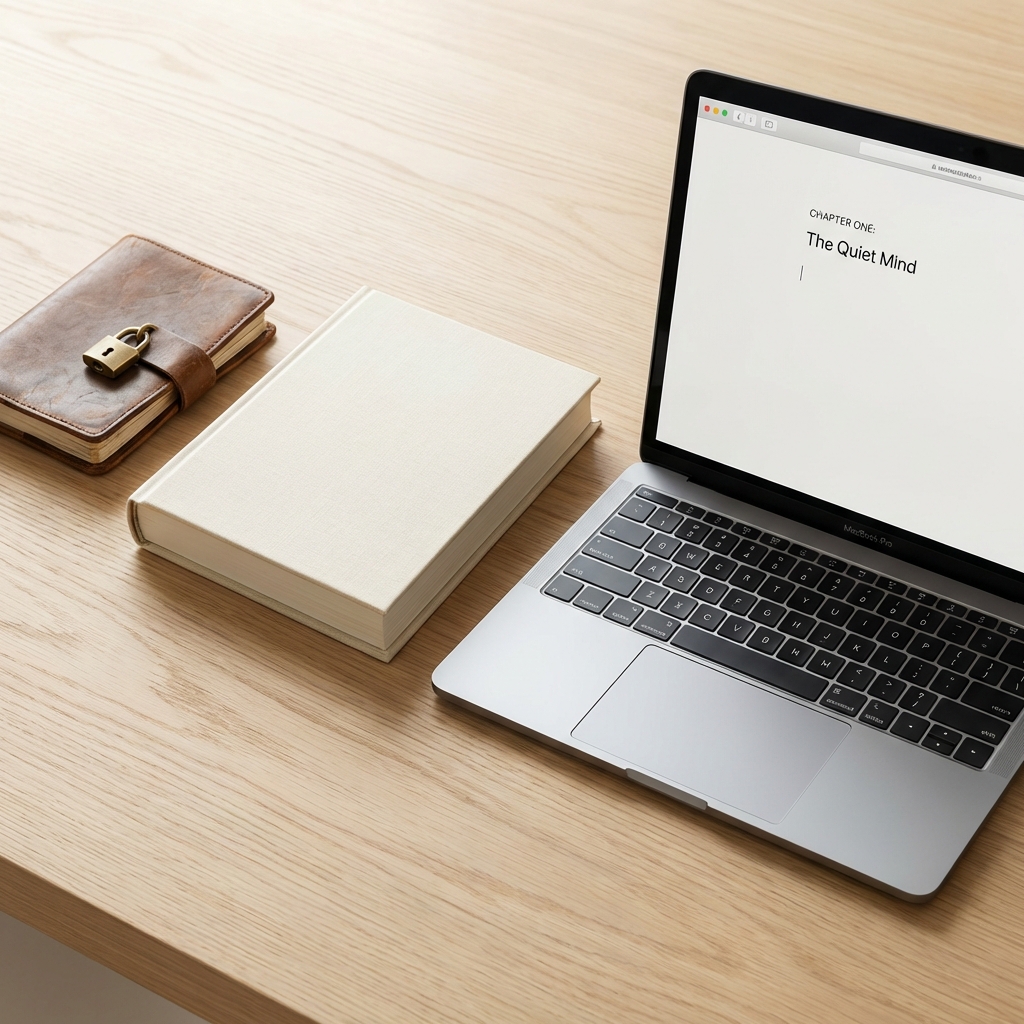
A journal is usually written to help you remember or understand your own life. A blog is written so other people can follow an idea, experience, or body of work. Both can contain personal writing, but they begin with different audiences and different boundaries.
Journal vs blog at a glance
| Question | Journal | Blog |
|---|---|---|
| Who is it for? | Usually you | Other readers |
| Why write it? | Remember, think, notice | Explain, teach, tell, publish |
| How finished must it be? | It can remain unfinished | It needs context for readers |
| Default boundary | Private | Public or shared |
A journal lets the thought exist before it is ready
Journal writing does not need a thesis, an introduction, or a useful conclusion. You can contradict yesterday’s entry. You can write around a question without answering it. You can preserve one ordinary detail simply because you do not want to forget it.
That freedom comes from knowing the page is not performing for an audience. If you are still choosing between daily recording and deeper reflection, begin with our guide to the difference between a diary and a journal.
A blog makes a promise to a reader
A blog post may begin with private experience, but publication changes the work. A reader needs enough context to know what happened, why it matters, and what they can take from it. Names, dates, screenshots, accusations, and private conversations also need more care when other people can find them.
Editing a blog is not dishonesty. It is part of making the piece understandable and respecting the boundary between what helped you think and what belongs in public.
Personal writing does not automatically belong online
A sincere entry can still contain details that were written only for you: someone else’s story, a reaction that changed the next morning, a location, or a fragment that would be misleading without context. The fact that a passage feels honest does not create an obligation to publish it.
Before sharing, use the questions in Should You Share Your Journal?. You can communicate the lesson without exposing the original page.
You can use both without making them the same
Many writers keep a private journal and a public blog. The journal catches the immediate experience. The blog receives only the part that becomes useful or meaningful to readers after time and revision.
- Write the private version without an audience.
- Wait until the event is no longer unfolding in real time.
- Name the one idea a reader should understand.
- Create a separate public draft instead of publishing the entry itself.
- Remove details that are unnecessary, identifying, or not yours to share.
Our guide to sharing journal entries without oversharing walks through that process in detail.
Which one should you start?
- Start a journal when the thought is mainly for your own memory, clarity, or future self.
- Start a blog when you already know the reader and the promise of the piece.
- Keep both when private reflection helps you create careful public work.
If you are not sure, begin privately. You can choose to share later; you cannot make an already published page unread.
Your first quiet page
Keep writing, without turning your life into content.
Inpages.me is a calm digital journal for thoughts, photographs, and details you want to return to—without an audience or an endless feed.
Choose and pay for a membership before writing your first entry.