Oral History Journal: 25 Questions for a Loved One
Use twenty-five open oral-history questions to preserve a loved one’s childhood, work, relationships, traditions, turning points, and own words.
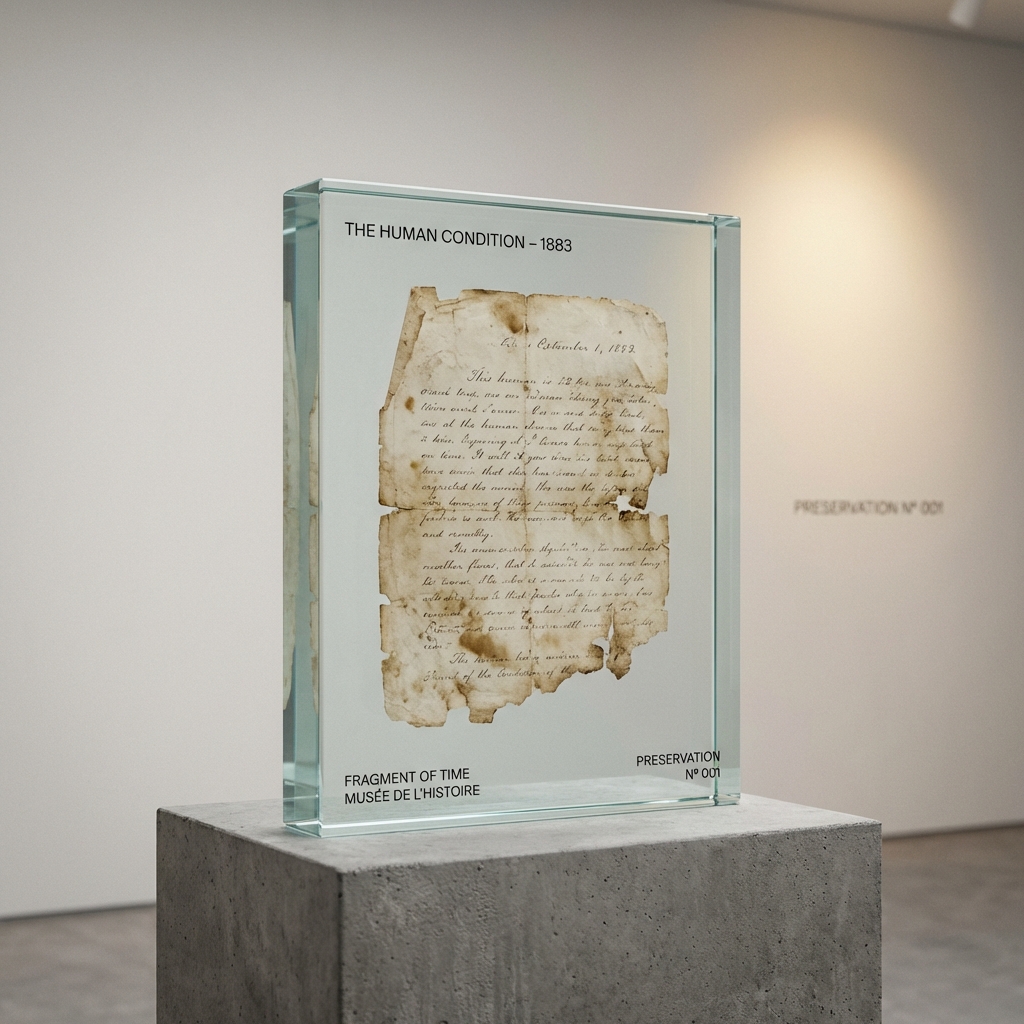
An oral history journal preserves a loved one’s story in their own words. The best interview feels less like completing a questionnaire and more like giving memory enough time, permission, and attention to unfold.
Prepare consent and context first
Explain why you want to record, how the interview may be stored or shared, and that any question can be skipped. Ask permission before recording. Private family interest is not automatic permission to publish someone else’s story.
The Smithsonian oral-history guide recommends open-ended questions, one question at a time, close listening, and follow-up prompts rather than leading the answer.
Childhood and place
- What is the earliest place you remember clearly?
- What did an ordinary morning in your childhood look like?
- Who lived nearby, and how did people enter one another’s lives?
- What sounds, smells, foods, or seasons bring that home back?
- What did adults misunderstand about you when you were young?
Family and traditions
- What stories were told repeatedly in your family?
- Which tradition felt most meaningful, and which felt difficult?
- What were your parents or caregivers like in ordinary moments?
- Who taught you something that still shapes your life?
- Which family object, recipe, song, or saying should not be forgotten?
Work, learning, and choices
- What did you imagine doing when you were young?
- How did you learn the work or skill that became important to you?
- Which opportunity changed your direction?
- What decision was difficult even though it looked simple from outside?
- What failure or dead end taught you something useful?
Relationships and change
- How did you meet someone who became important to your life?
- What helped a relationship last through change?
- Which goodbye or transition changed you?
- When did you feel most at home in your own life?
- What belief have you changed your mind about?
Memory and legacy
- Which ordinary day would you like to experience once more?
- What do photographs of you usually fail to show?
- Which part of your life is often left out when people tell your story?
- What do you hope the people you love understand about you?
- How would you like this conversation to be remembered or used?
Preserve the interview without flattening it
Keep the audio when permission allows, note the date and place, identify voices, and transcribe only after making a backup. Mark uncertain words. Let pauses, disagreement, and changing recollection remain part of the record.
The Library of Congress also advises treating sample questions as an outline rather than a script. Build a family memory journal around the conversation, then use photo captions with lasting context for images that accompany it.
Your first quiet page
Keep writing, without turning your life into content.
Inpages.me is a calm digital journal for thoughts, photographs, and details you want to return to—without an audience or an endless feed.
Choose and pay for a membership before writing your first entry.