Commonplace Book vs Reading Journal vs Personal Journal
Compare a commonplace book, reading journal, and personal journal by what each follows, what belongs inside, and which practice fits your reason for writing.
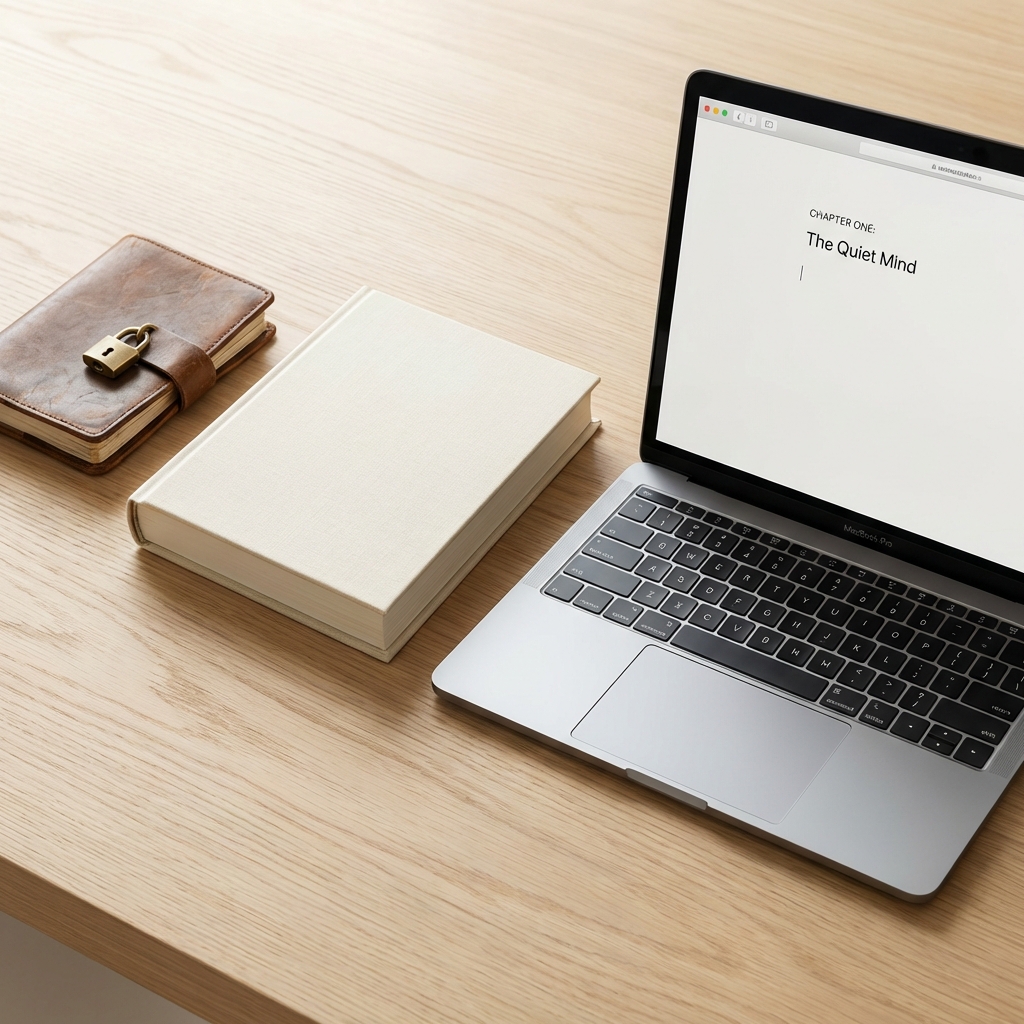
A commonplace book, reading journal, and personal journal can all contain quotes, reflections, and memories. The clearest difference is what each practice follows: a commonplace book follows ideas, a reading journal follows books, and a personal journal follows your life.
Choose the question your journal should answer
The right format depends less on page design than on what you want to find later.
- Commonplace book: Which ideas have shaped how I think?
- Reading journal: What happened between me and this book?
- Personal journal: What was happening in my life, and how did I experience it?
One sentence from a novel could belong in all three, but the note beneath it would change.
A commonplace book follows ideas across sources
Use a commonplace book for passages, observations, questions, definitions, and connections gathered from books, conversations, films, lectures, and daily life.
Entries are often organized by themes such as attention, courage, home, craft, or time. The source matters, but your response and the connection to other ideas matter more than completing one record for each book.
Read the modern guide to commonplace books for a five-line entry format and a light review practice.
A reading journal follows individual books
Use a reading journal when you want to preserve why you chose a book, which passages stopped you, what you disagreed with, and what remained after the final page.
Organization usually follows titles, authors, or reading dates. This makes it easier to return to your experience of one work. If an idea begins connecting passages from several books, it may later move into the commonplace book.
The guide to starting a reading journal offers a before, during, and after structure.
A personal journal follows your life through time
Use a personal journal for events, relationships, decisions, emotions, routines, ambitions, and memories. Its natural organizing principle is time: what happened, what it felt like, and what you understood then.
Books and ideas can enter, but they appear in the context of your life. A copied passage may sit beside the reason it mattered on that particular Tuesday.
See how one passage changes across the three formats
Imagine you read a line about leaving home.
- Commonplace entry: connect the idea of home to other writers, places, and definitions you have collected.
- Reading entry: record where the line appears, how it changes the book, and why you marked it.
- Personal entry: write about the room you left, the person you miss, or the future move you are considering.
None is more serious or complete. Each preserves a different relationship to the same sentence.
Begin together, then separate only when useful
You do not need three journals on the first day. Start in one notebook and label entries with a simple prefix: Idea, Reading, or Life. After several weeks, notice what you write most and what you want to retrieve.
Split the journal when the boundaries make writing easier—not because a perfect system requires it. The guide to organizing multiple journals without clutter can help you decide when a separate notebook has earned a purpose.
If you are still unsure, choose the format closest to tonight's reason for writing. Create a private journal on Inpages.me; the shape of the practice can emerge from the pages that follow.
Your first quiet page
Keep writing, without turning your life into content.
Inpages.me is a calm digital journal for thoughts, photographs, and details you want to return to—without an audience or an endless feed.
Choose and pay for a membership before writing your first entry.