How to Start a Reading Journal You Will Revisit
Start a reading journal that preserves the passages, questions, disagreements, and personal connections worth revisiting after the final page is finished.
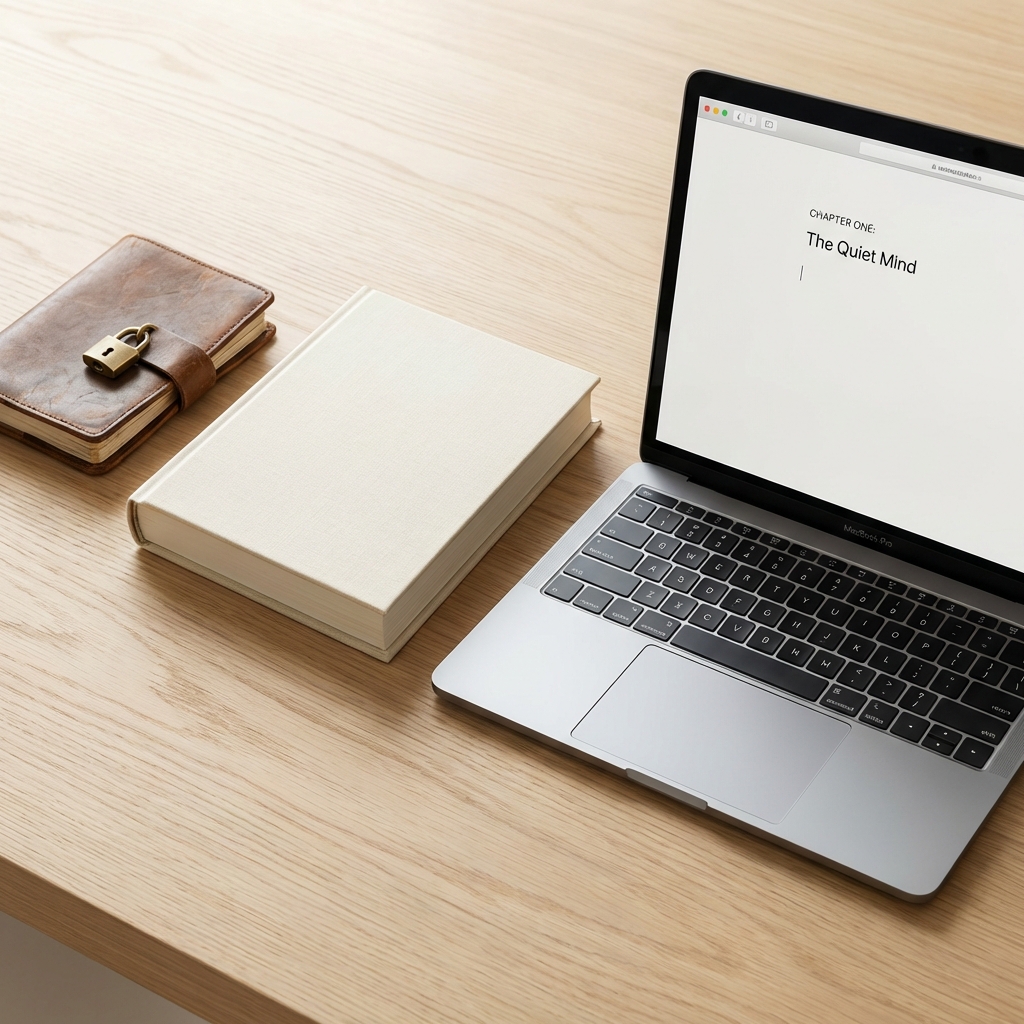
A reading journal preserves what happened between you and a book. It is not a list proving how much you read, and it does not require a polished review. It keeps the passages, questions, disagreements, and personal connections that would otherwise disappear after the final page.
If books are one part of a wider life of films, music, exhibitions, and conversations, a personal culture journal can keep those encounters together without making them a public feed. If a particular book brings you into a shared discussion, a private book club journal can hold the thoughts that arrive before and after the meeting.
Choose what your reading journal should remember
Decide what you usually lose after reading. Perhaps you forget the plot, but more often you forget why a particular sentence mattered, what you believed before the book, or which question followed you into ordinary life.
Give the journal one primary job:
- remember books and the season in which you read them;
- develop ideas for writing, work, or study;
- notice how your taste and beliefs change;
- keep a conversation with literature over many years.
You can still record title, author, and dates. Let those details support the real purpose rather than become the whole entry.
If your purpose is to connect reading with your own craft, Virginia Woolf’s reading notebooks show why sources, responses, and changing questions can matter more than a list of completed books.
Write before, during, and after the book
A useful reading journal captures more than the final verdict.
- Before: Why this book now? What do you expect or hope to find?
- During: Which passage, image, claim, or character changed the temperature of your attention?
- After: What remains? What do you resist? What will you carry into another part of life?
Short notes made close to the reading often preserve a more honest response than a summary written after you already know what you are supposed to think.
Use passages as doors, not decorations
Copying a beautiful line is a beginning. Under it, write why you stopped. Did the passage name something familiar, challenge a belief, create an image, or connect to another book?
I marked this because… It reminds me of… I disagree with… The question it leaves is…
Keep quotations brief enough that your own response remains visible. If your journal becomes organized around ideas across many books rather than individual titles, you may be building a commonplace book.
Keep one page simple enough to finish
A complete reading entry might contain:
- title, author, and reading dates;
- one sentence about why you chose it;
- three passages or moments;
- one disagreement or unresolved question;
- one connection to your own life or another work;
- one sentence you want your future self to remember.
Do not force every book through the same template. Some deserve a page; some deserve one line; some deserve silence.
Let rereading become part of reading
Return to the entry after a month or when another book touches the same idea. Add a dated note instead of rewriting your first response. The distance between the two notes is part of the record.
A gentle review can ask: Which ideas keep returning? Which authors changed my language? What have I changed my mind about? Which passage became useful only later?
The practice is similar to rereading an old journal with compassion: meet the earlier reader without requiring them to have understood everything at once.
Keep the journal private enough for disagreement
Public reviews often ask for a clear position. A private reading journal can hold admiration beside resistance, confusion beside recognition, and ideas you are not ready to defend. That unfinished thinking is often the most valuable part.
A reading journal is one option among the types of personal journals. Start a private reading journal on Inpages.me with the book currently closest to you. Write why you picked it up before writing what you think of it.
Your first quiet page
Keep writing, without turning your life into content.
Inpages.me is a calm digital journal for thoughts, photographs, and details you want to return to—without an audience or an endless feed.
Choose and pay for a membership before writing your first entry.