How to Reread Old Journals With Compassion
Reread old journal entries without judging your former self. Choose a purpose, notice context, and stop when reflection becomes too much or self-critical.
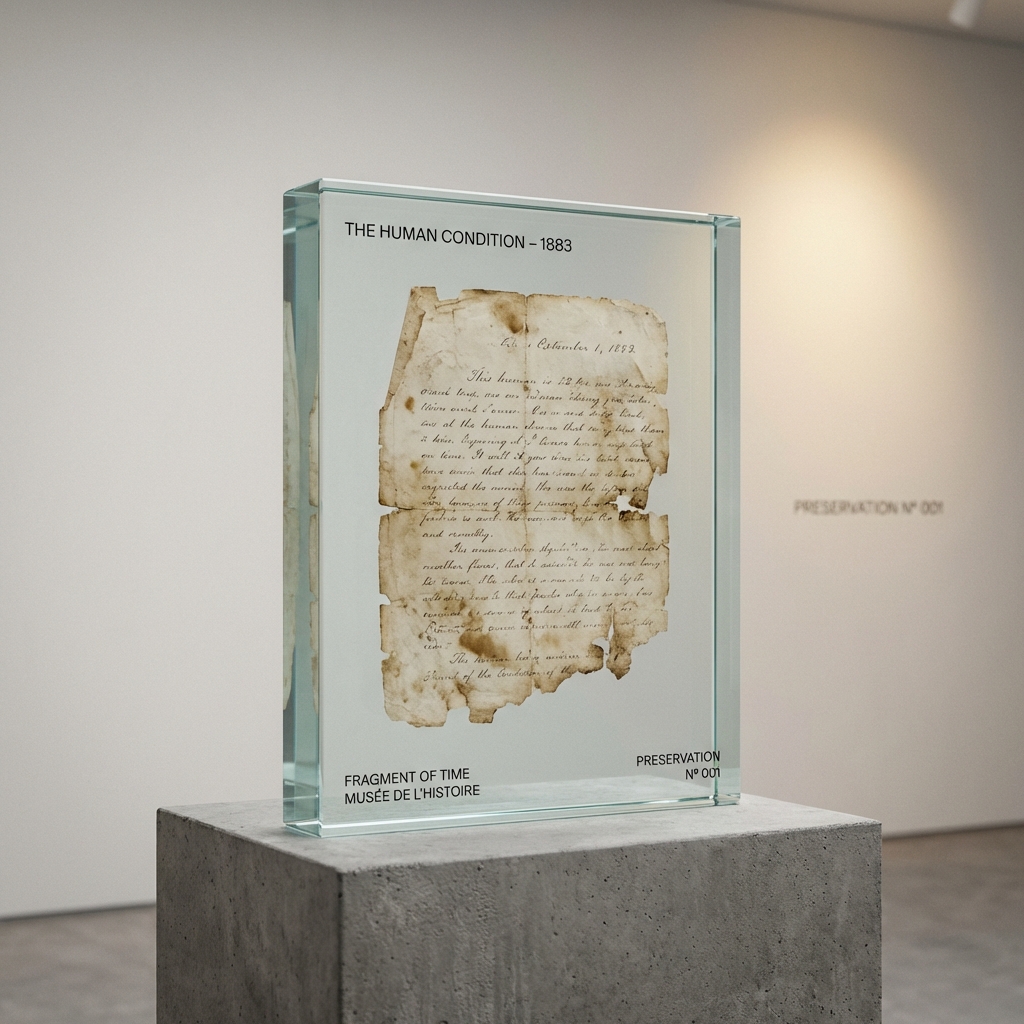
Rereading old journals can feel tender, funny, embarrassing, clarifying, or unexpectedly difficult. You are meeting a former version of yourself with knowledge they did not have. The goal is not to grade their choices. It is to understand the context they were living through and notice what the pages preserve.
Choose a reason before you reread old journals
Do not begin by reading everything. Pick a modest purpose: revisit a particular season, recover details around a decision, notice how a relationship changed, or remember an ordinary period that now feels distant.
A clear purpose gives the reading a boundary. It also helps you choose where to start instead of falling into years of entries without preparation.
Read the context, not only the conclusion
A sentence that seems naïve now may have been reasonable with the information, energy, and support available then. Ask:
- What did I know at this point?
- What was I trying to protect or preserve?
- What pressures are visible around the choice?
- What could I not yet imagine?
Context does not require you to approve of every past action. It makes understanding more accurate.
Notice change without turning it into a victory story
You may recognize growth, repetition, or both. Some questions return because life has layers, not because you failed to learn. Some values remain stable while your language for them changes. Some old certainty disappears, and some old instinct proves worth keeping.
Record what you notice in a new entry, but resist rewriting the past into a clean path toward the present. Your life did not know where it was going while it happened. That uncertainty is part of the record.
Use a compassionate annotation
After reading one entry, write a short response from the present:
- “I understand why you felt…”
- “You could not yet know…”
- “I am glad you preserved…”
- “What I want to carry forward is…”
The response creates a conversation across time without changing the original page. This is one reason an On This Day journal can feel unexpectedly meaningful.
Decide whether to write back
Sometimes reading is enough. When you do have something new to say, date the addition and give it one job: answer an old question, name what changed, or thank the earlier writer for a detail they kept. The guide to adding a later reflection shows how to keep the first account and the present view together.
If the page is especially difficult, choose a smaller purpose with how to return to a difficult journal entry. You can close it without writing a response.
Stop when the reading stops being useful
You are allowed to close the journal. If an entry leaves you overwhelmed, pulled into rumination, or unable to return to the present, pause and choose support outside the page. Rereading is optional; preserving a memory does not create an obligation to revisit it at any particular time.
Set a limit before you begin: one entry, fifteen minutes, or one month of the archive. Do something grounding afterward.
Let the former self remain a whole person
Your old journal contains more than clues about who you became. It contains a person living a day that mattered before its outcome was known. Read them with the dignity you would offer someone who trusted you with an unfinished story.
For a broader practice, try a gentle weekly journal review. To begin an archive your future self can meet, open a private journal on Inpages.me.
When the only copy is a fragile notebook, use the guide to digitizing old journals without losing their context before handling every page repeatedly.
Your first quiet page
Leave a few honest details for the person you will be.
Inpages keeps private pages close enough to find again when you choose to return.
Choose and pay for a membership before writing your first entry.
Start with one detail from today. There is no schedule for rereading it.