How to Digitize Old Journals Without Losing Context
Digitize old journals with careful handling, useful filenames, page context, backups, and a calm selection process that respects the originals.
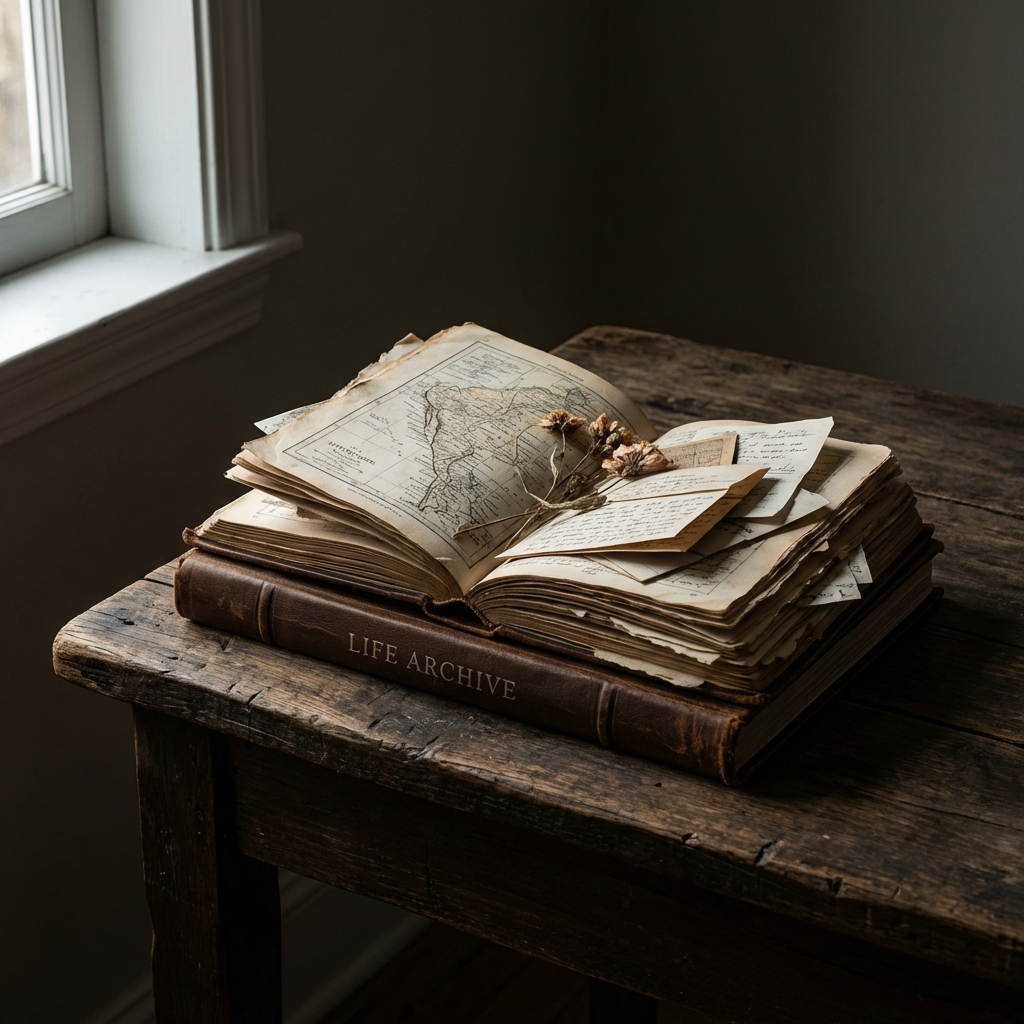
Digitizing an old journal is more than photographing handwriting. The aim is to preserve the order, physical clues, names, dates, and surrounding story that make each page understandable.
Decide what the digital copy is for
You may want safer access, a searchable reference, a family copy, or a personal reading archive. The purpose determines whether you need every page, selected passages, a transcription, or photographs with short notes.
Digitization does not require discarding the original. The U.S. National Archives guidance recommends keeping originals because digital files have their own preservation risks.
Handle the binding gently
Do not force a bound journal flat against a scanner. Use a camera or copy stand when opening the book fully would strain the spine. Keep the entire page in frame, including margins, page numbers, inserted notes, and visible damage that carries context.
Photograph the cover, title page, inside covers, and any pockets or loose items before moving them.
Preserve sequence with filenames
Use a consistent pattern such as journal-03_page-001. Include the journal or volume number and pad page numbers with zeros so files sort correctly. Do not rely on the camera’s original filenames.
Add basic context—who, what, where, and when—in a separate index or note. If the written date differs from the estimated date, keep both and label the uncertainty.
Transcribe selectively
A transcription makes names and phrases searchable, but it can also flatten spelling, layout, crossings-out, and visual emphasis. Keep the page image beside the transcription. Mark uncertain words rather than silently correcting them.
Begin with turning points, family stories, or pages you often revisit. A digital memory journal can hold the image, transcription, and today’s context together.
Back up the files before organizing further
The National Archives recommends the 3-2-1 approach: three copies, on two types of media, with one copy off-site. Verify that files open before changing equipment or reorganizing the originals.
When enough pages are ready, use the method for creating a journal with photos and text. Let the physical notebook remain the original object and the digital journal become a durable path back to it.
Your first quiet page
Keep writing, without turning your life into content.
Inpages.me is a calm digital journal for thoughts, photographs, and details you want to return to—without an audience or an endless feed.
Choose and pay for a membership before writing your first entry.