How to Keep a Study Abroad Journal You Will Treasure
Keep a study abroad journal that preserves first impressions, daily life, changing perspectives, friendships, and the small details photographs leave behind.
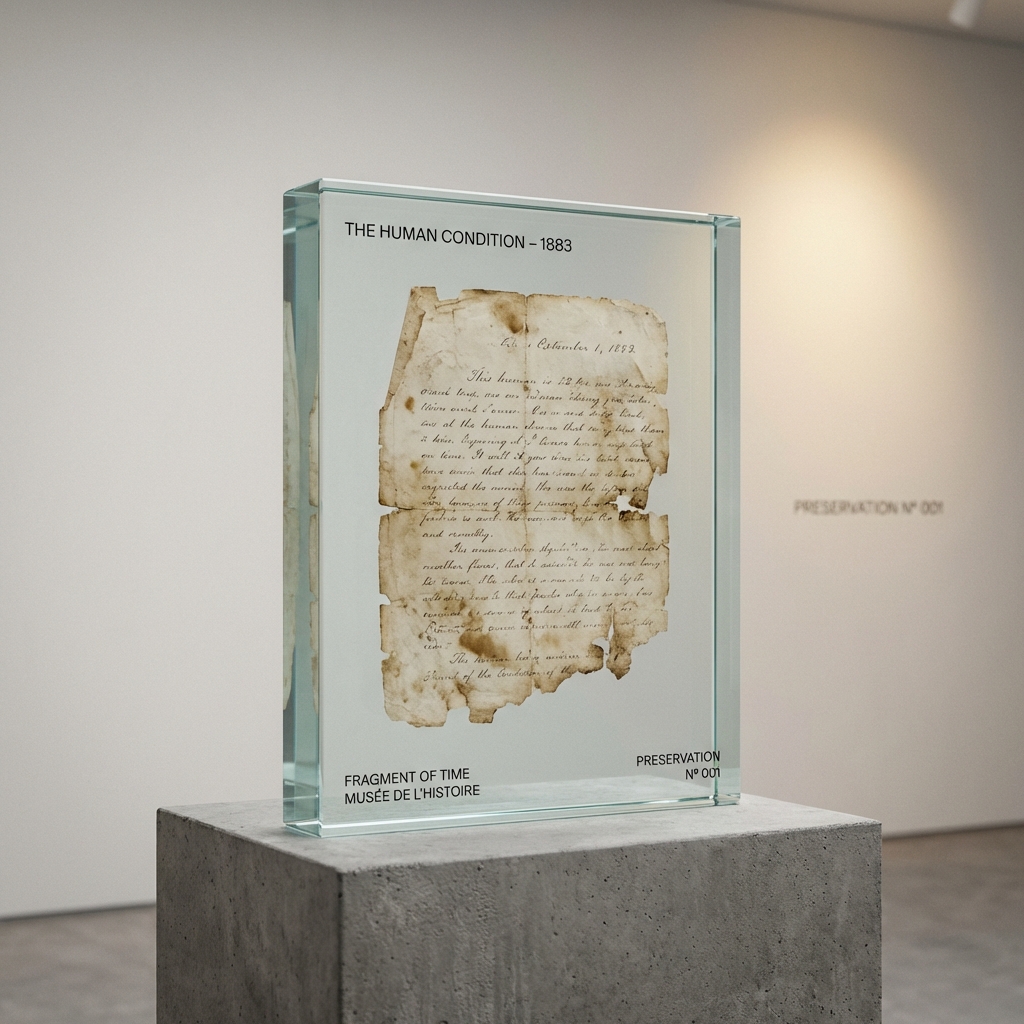
A study abroad journal can hold two journeys at once: the visible journey through a new place and the quieter change in how you see home, other people, and yourself. The most valuable entries are often not the famous landmarks. They are the first grocery trip, an awkward conversation, a repeated walk, or the evening a foreign room began to feel familiar.
Write once before you leave
Before departure, record the life you are standing in. Describe your room, routines, friendships, fears, assumptions about the destination, and reasons for going. Write what you hope will change and what you hope will remain.
This entry becomes a reference point. When you return, you will be able to see which expectations were accurate, which were incomplete, and which questions changed entirely.
Capture firsts before they become normal
New surroundings quickly turn into daily life. During the first weeks, preserve details while they are still visible:
- The sound outside your window in the morning.
- The first route you learned without a map.
- A food, phrase, rule, or custom you misunderstood.
- The first person who made the place feel less anonymous.
- Something ordinary that works differently from home.
These details give future you a way back into the experience. For scene-based techniques, use the guide to writing about ordinary days.
Do not turn every entry into a travel review
A private study abroad journal can include boredom, loneliness, money worries, friendship tension, academic pressure, and days when you wanted familiar things. You do not need to make the experience sound transformative while you are still living it.
Separate the facts of a difficult moment from the story you are tempted to tell about the entire journey. One bad week is real, but it does not have to define the semester.
Keep photographs connected to their stories
Choose a few images rather than trying to archive every photograph. Add the date, place, people present, what happened just outside the frame, and why you kept this particular image.
A photograph records appearance; writing restores context. The guide to creating a journal with photos and text offers a simple structure.
Notice how your perspective changes
Once a month, answer three questions:
What no longer surprises me? What do I understand differently? What am I still resisting or unable to name?
Also record changes in your relationship with home. What do you miss now? What do you see more clearly from a distance? What might be difficult to explain when you return?
Write the return as part of the journey
Keep writing for several weeks after you come home. Describe the first familiar place you saw, the habits that stayed, the things that suddenly felt strange, and the relationships that resumed differently.
Study abroad is not only a collection of trips. It is a life chapter with a before, a during, and an after. Start a private study abroad journal on Inpages.me before the first impressions begin to fade.
If this is also your first year at university, keep the wider chapter in a first-year university journal alongside the record of the place.
Your first quiet page
Keep writing, without turning your life into content.
Inpages.me is a calm digital journal for thoughts, photographs, and details you want to return to—without an audience or an endless feed.
Choose and pay for a membership before writing your first entry.