Password-Protected Diary vs End-to-End Encrypted Journal
Compare an encrypted journal app with a password-protected diary and learn which risks each one covers before choosing where to write.
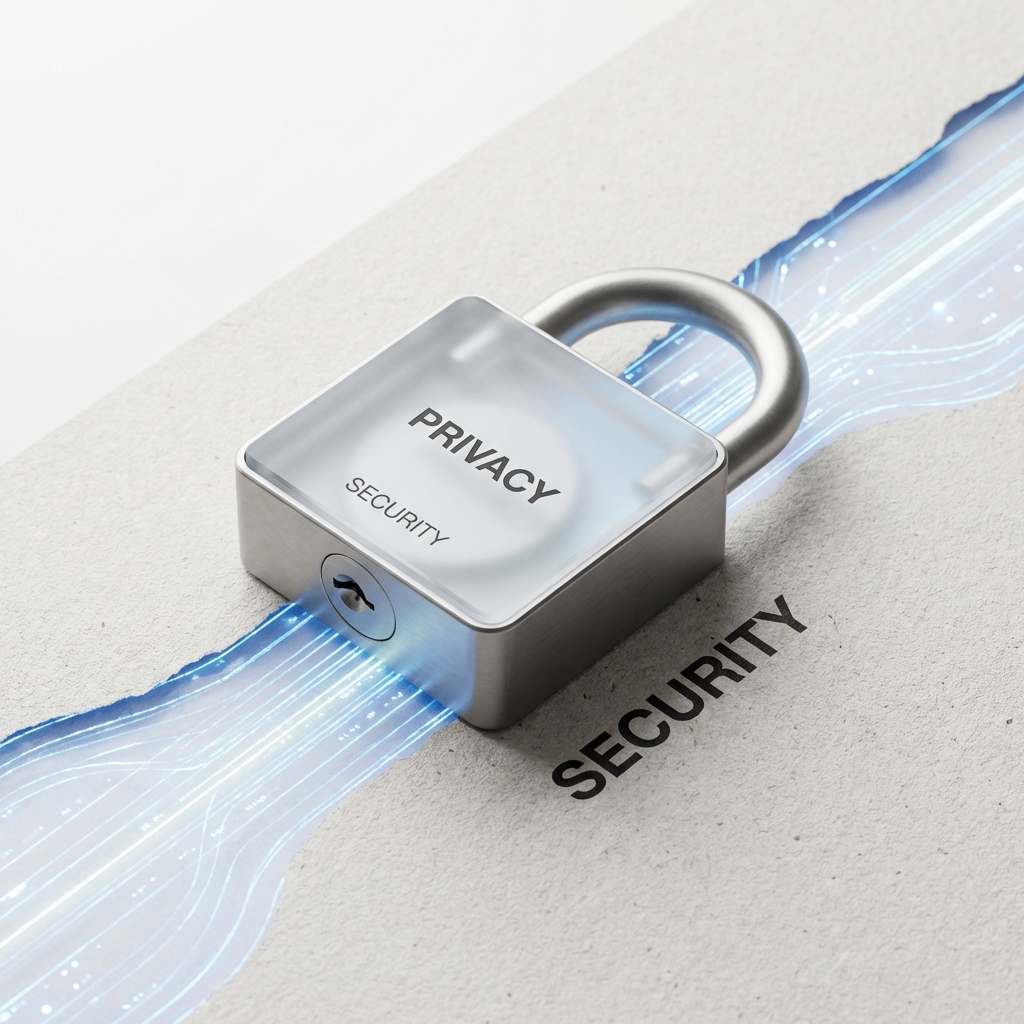
A password-protected diary and an end-to-end encrypted journal can look equally private at the login screen. The difference appears after you sign in: who can turn the stored data back into readable words?
A password protects the door to your account
A password helps a service confirm that you are the account owner. When stored correctly, the service keeps a one-way password hash rather than the original password. This protects authentication, but it does not automatically encrypt the journal entries behind the login.
A diary can therefore be private from other customers while remaining readable to the application server. That design may support convenient recovery, server-side search, moderation, or AI features. It is not the same promise as content the provider cannot decrypt.
End-to-end encryption changes the key boundary
In an end-to-end or client-side encrypted journal, protected writing becomes ciphertext on your device before storage. A usable decryption key remains with you or your authorized devices rather than with the server.
The distinction is architectural, not cosmetic. The OWASP Cryptographic Storage guidance explains that encryption at different layers protects against different threats. Database or disk encryption can protect stolen storage while still allowing the running service to read content.
Compare the recovery trade-off
A conventional password reset may restore account access immediately. With user-held encryption keys, resetting the login password cannot magically recreate a lost decryption key. Recovery may require an exported Recovery Key or another device where the vault is already unlocked.
Stronger privacy can therefore create stronger responsibility. Read what happens when a journal password is lost before deciding which model fits you.
Check what the encryption actually covers
Do not stop at the word “encrypted.” Check titles, body text, photographs, links, tags, filenames, backups, search indexes, and generated summaries separately. Some details may remain readable so the product can organize or deliver them.
Use the seven-question journal privacy test to compare products consistently. A clear limitation is more useful than a broad promise.
Choose by the risk you need to reduce
A password-protected diary may be enough when your main concern is casual access. End-to-end encryption matters when you also want protected content to remain unreadable to the service and safer during a server or database compromise.
Neither design protects an already unlocked, compromised device. Keep device security, sharing choices, and recovery habits in the decision. For a broader review, follow the digital journal privacy checklist.
To compare this boundary with access, export, and everyday writing comfort, use how to choose a private journaling app.
Your first quiet page
Keep writing, without turning your life into content.
Inpages.me is a calm digital journal for thoughts, photographs, and details you want to return to—without an audience or an endless feed.
Choose and pay for a membership before writing your first entry.