Why keep the first version of a journal entry
An old journal entry can preserve what you knew and felt at the time. Learn when to keep its first version, add a later note, correct an error, or choose to delete it.
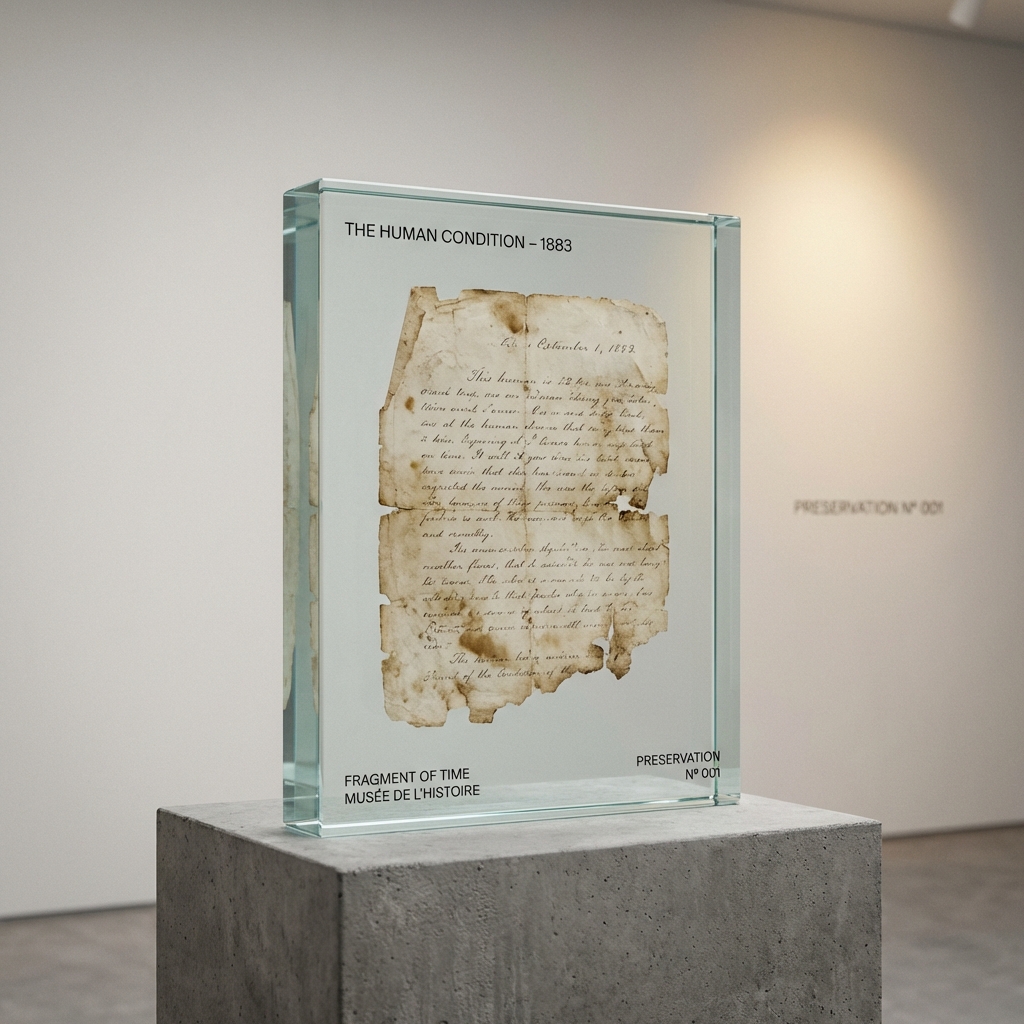
The first version of a journal entry can show what you knew before the outcome arrived. Keeping it may help you understand how your view changed. You can still correct a mistake, edit what needs care, or delete a page you no longer wish to keep. Preservation is a choice about this entry, not a rule you owe your whole life.
The first words belong to their own day
An entry written before a conversation, move, diagnosis, or decision can hold details that a later summary misses. The hesitation before saying yes. The hope you were afraid to name. The ordinary room where a turning point had not yet announced itself. A later account knows more, but it cannot speak from inside that earlier uncertainty.
When you keep the first version, you give your future self access to that moment. You need not agree with every sentence to value the record. The guide to rereading old journals with compassion can help when an earlier voice feels unfamiliar.
In Inpages, On This Day may bring an earlier Memory back into view. You can read it as a record of its own day, even if the meaning has changed since.
A later thought can have its own place
Suppose you wrote that a friend's silence meant they were upset with you. Weeks later, you learn they were caring for a parent. You can leave the first entry as the account of how the silence felt, then add a dated note with what you learned. A future reader can see both the feeling and the missing context.
This is the purpose of adding a later reflection beneath an old entry. The note can deepen the page without making the earlier writer sound as if they knew the ending. Three before-and-after examples show how little a useful addition may need.
Keep accuracy and care in the room
The value of a first version does not require preserving a factual error where it misleads someone. For a private entry, a dated correction can show what was mistaken and when you learned better. The guide to correcting an old journal entry offers a clear format.
If a published Memory contains a false or sensitive claim about another person, a private note beneath it will not reach public readers. Edit the published page or stop sharing it. Accuracy and another person's privacy can matter more than keeping the original public wording visible.
You may also choose to edit or delete
Some entries contain details you should not have kept, words written under pressure, or a record you no longer want in your archive. You may decide to revise or remove one. That choice does not erase the care you took in writing it. It gives you control over what you keep.
Inpages lets you edit and delete Memories. It also lets you add a later update beneath a Memory or diary entry. A saved update cannot be edited or deleted by itself; deleting the original entry deletes its updates too. Choose the action that fits what you need to change.
Ask what the future reader needs
When deciding whether to keep the first version, ask three questions: What does it reveal about that day? What might it wrongly imply if read alone? Who else could be affected by keeping or sharing it? The answer may be to leave it, add context, make a correction, change the original, or close the page entirely.
The best record is one you can trust and live with. It can hold an unfinished first thought and a later, fuller understanding without pretending either was written outside time.
Your first quiet page
Give the first version of a moment a place to stay.
Write freely now, then add, correct, or change the page when life gives you a reason.
Choose and pay for a membership before writing your first entry.
Begin with one moment you want to remember in its own time.