136.
Journaling
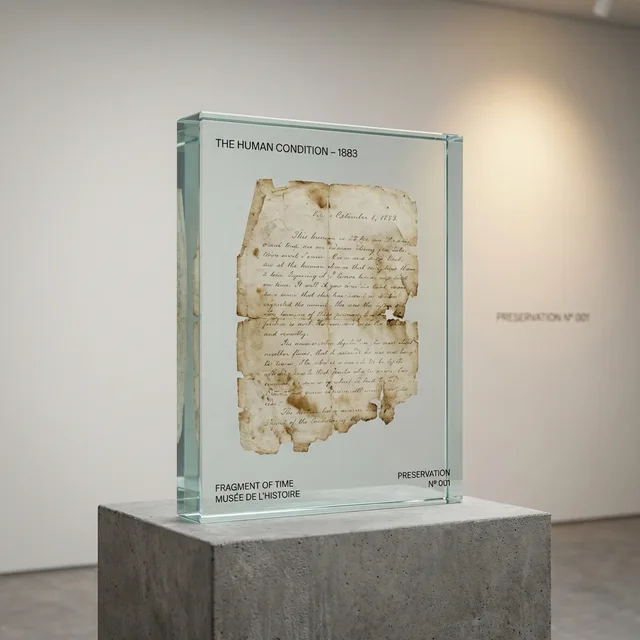
Oral History Journal: 25 Questions for a Loved One
Use twenty-five open oral-history questions to preserve a loved one’s childhood, work, relationships, traditions, turning points, and own words.
Essays on memory, privacy, and the art of documenting a life lived.
Use twenty-five open oral-history questions to preserve a loved one’s childhood, work, relationships, traditions, turning points, and own words.

Use forty life-story journal prompts to record childhood, places, people, choices, work, change, ordinary days, and hopes in your own voice.

Ask seven questions about AI journal privacy, encryption, recovery, sharing, and device security before deciding where your private entries belong.

Start a learning journal that captures questions, practice, mistakes, and changing understanding so a new skill becomes a journey you can revisit over time.
Keep a study abroad journal that preserves first impressions, daily life, changing perspectives, friendships, and the small details photographs leave behind.
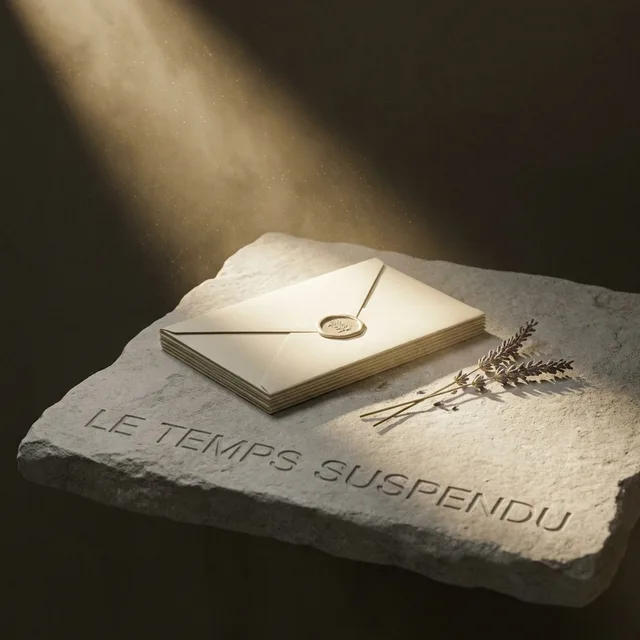
Start a personal finance journal to record money decisions, assumptions, feelings, and goals alongside numbers without turning reflection into self-judgment.
Journal your home-buying journey with a clear record of priorities, property visits, trade-offs, decisions, and memories from the search through moving day.
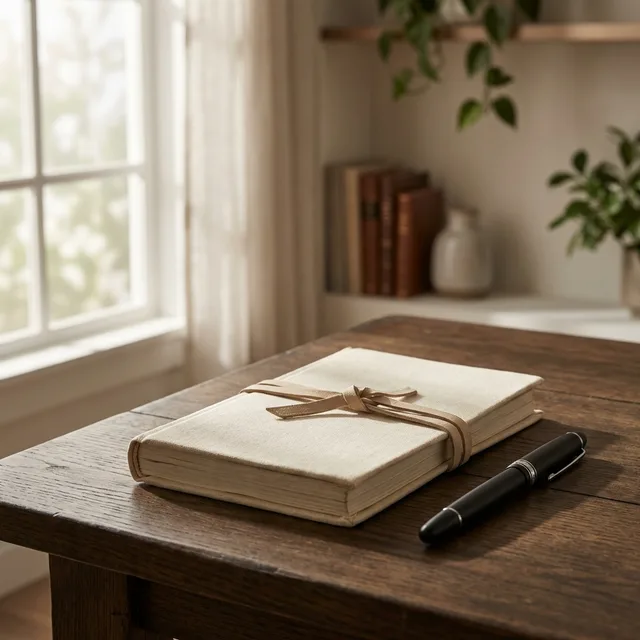
Keep a private career journal for decisions, difficult moments, strengths, questions, and changing ambitions—not another polished record of achievements.

Journal a creative project from its first question through experiments, setbacks, decisions, and completion while preserving the story behind the finished work.
Keep a long-term goal journal that records direction, decisions, setbacks, and changing meaning without reducing a meaningful ambition to daily progress scores.
Start a philosophy journal for enduring questions, arguments, experiences, and changing beliefs, then build a personal conversation you can revisit over years.

Start a dream journal with a simple waking ritual for recording scenes, feelings, people, and details without forcing every dream to carry a hidden meaning.
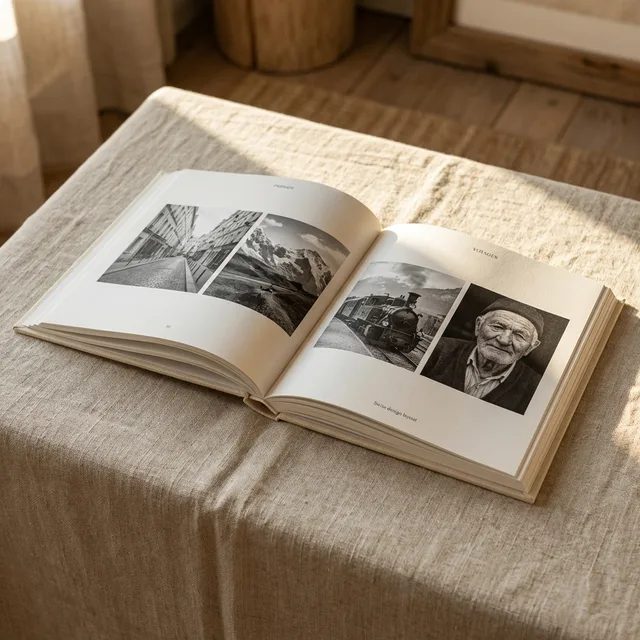
Create a family memory journal that preserves many voices, ordinary traditions, photographs, and stories while respecting privacy and different recollections.

Learn what a brain dump journal is and use a simple capture, sort, and release method to move crowded thoughts onto the page without creating more pressure.
Try stream of consciousness journaling with an unedited writing practice that follows one thought into the next without demanding structure, polish, or closure.