What to Write in a Memory Journal
Learn what to write in a memory journal, from small sensory details and conversations to turning points, context, photographs, and unfinished moments.
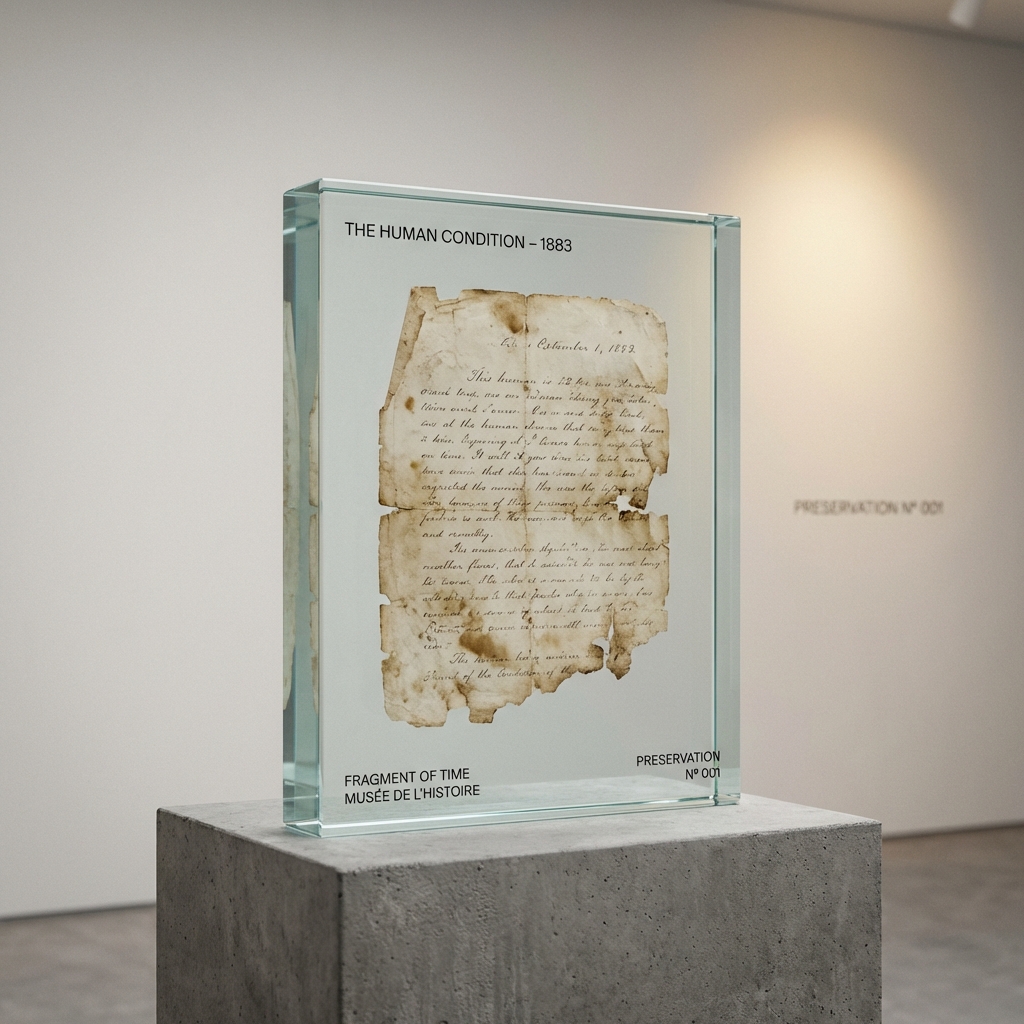
What belongs in a memory journal is not limited to milestones. Birthdays, departures, and first days matter, but a life is also carried by repeated jokes, familiar rooms, changing routines, and sentences you did not know would become important. Write what would help you re-enter the moment.
Begin with the ordinary evidence
Record details that rarely survive in photographs or calendars. What was on the table? Which song kept returning? What did the air feel like? What small inconvenience shaped the day? These details may look insignificant now because they are still present.
Try one of these openings:
- Today felt ordinary until…
- The detail I do not want to lose is…
- This room currently contains…
- Someone said something I keep hearing again…
Keep the people around the moment
Write names and relationships, even when they seem obvious. Describe the gesture behind a sentence or the shared history behind a joke. If the memory involves another person’s private life, keep only the context that belongs to your own experience.
A memory journal can preserve affection without turning someone else into material. The goal is not a complete biography. It is enough to record why their presence mattered in that moment.
Write before hindsight becomes too tidy
Turning points often look clear only later. While you are inside a change, record the uncertainty too: what you expected, what you feared, what evidence you had, and what remained unknown.
Resist correcting an old page to match what happened next. Read why some memories should remain unedited for a gentler way to preserve the earlier point of view.
Give photographs the words they cannot keep
For any image, write who, where, when, and what happened outside the frame. Then add the detail only you can supply: why you took the photograph, what had just changed, or what no one in the image knew yet.
If your camera roll already feels crowded, begin with five photographs and use our guide to making a digital memory journal.
Leave room for unfinished memories
Not every page needs a lesson. You can write, “I do not know what this means yet.” You can preserve contradictory feelings without choosing the correct one. You can stop after the scene and return later with a new entry rather than rewriting the first.
A memory journal becomes valuable through specificity and accumulation, not polish. Open a page on Inpages.me and keep one detail from today while it is still close.
To widen the archive beyond today, choose one of these forty life-story journal prompts and begin with the scene it brings back.
Your first quiet page
Keep writing, without turning your life into content.
Inpages.me is a calm digital journal for thoughts, photographs, and details you want to return to—without an audience or an endless feed.
Choose and pay for a membership before writing your first entry.