How to Keep a Language Learning Journal You’ll Actually Use
Keep a language learning journal that turns classes, practice, mistakes, local phrases, and real conversations into a record you will actually revisit.
Essays on memory, privacy, and the art of documenting a life lived.
Keep a language learning journal that turns classes, practice, mistakes, local phrases, and real conversations into a record you will actually revisit.
Journal your first 100 days at a new job with prompts for expectations, relationships, questions, early feedback, and what you are learning about the role.
Find hobby journal ideas for making, collecting, and exploring, with repeatable entries that preserve projects, discoveries, sources, and small pleasures.
Start a music listening and concert journal that keeps songs, live shows, changing taste, set lists, companions, and the moments you want to hear again.
Journal your first race with training moments, changing expectations, race-day scenes, and a thoughtful review that is bigger than pace or finish time.
Use birthday journal prompts to notice the year behind you, the people and places that shaped it, and the questions you want to carry with you next year.
Preserve family traditions with stories, voices, photographs, recipes, and gentle prompts that show how a ritual changed across generations over time.
Create a collection journal that records where objects came from, what they mean, who made them, and the stories that turn a list into a personal archive.
Build a photo-a-week journal with one image, a short caption, and a monthly return that preserves a year of ordinary life without chasing perfection each week.
Discover Inpages.me, a calm private digital journal for memories, photos, daily reflection, client-side encryption, gentle planning, and returning over time.
Choose a journal app with export so you can keep a documented local copy of entries, photos, attachments, and protected writing without depending on a service.
Explore Benjamin Franklin’s journal system of thirteen virtues, a morning question, and an evening review—plus a gentler way to adapt the practice today.
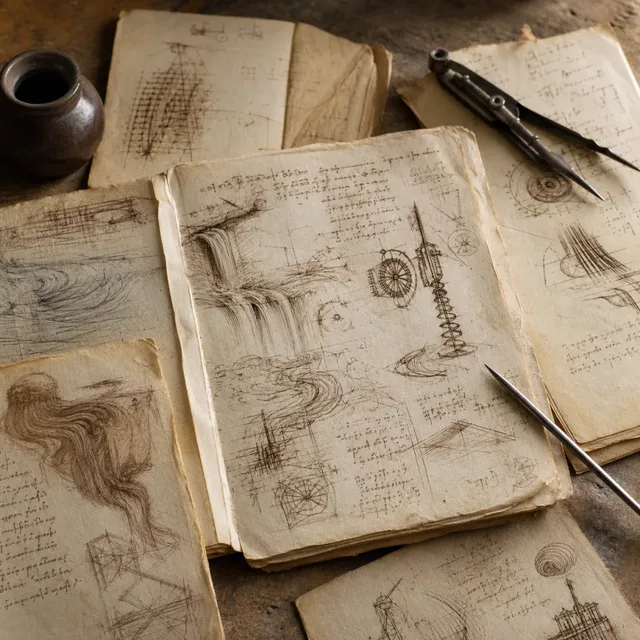
Explore Leonardo da Vinci’s notebooks as working pages for drawings, observations, questions, and mechanisms—and try a simple visual thinking practice.
See how Virginia Woolf used reading notebooks as part of her craft, then build reading notes that preserve sources, questions, connections, and changing ideas.
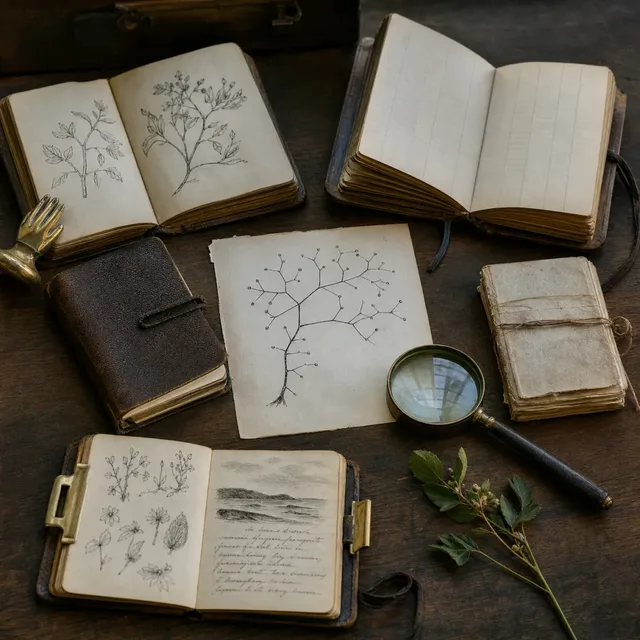
Explore Charles Darwin’s notebooks for reading, observations, working ideas, and a compact life record—then design a journal system for one long inquiry.