91.
Journaling
John Quincy Adams and His 51-Volume Diary
Explore John Quincy Adams’s 51-volume diary, its changing formats across nearly 69 years, and a sustainable way to preserve an ordinary life over time.
Essays on memory, privacy, and the art of documenting a life lived.
Explore John Quincy Adams’s 51-volume diary, its changing formats across nearly 69 years, and a sustainable way to preserve an ordinary life over time.
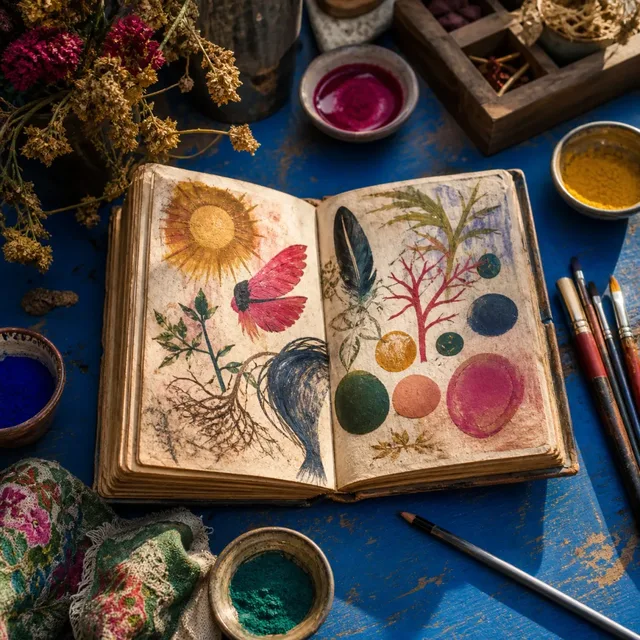
Explore Frida Kahlo’s illustrated diary of writing, painting, drawing, poems, and notes—and learn how to let images and words share one private page today.
Was Meditations a journal? Explore Marcus Aurelius’s private philosophical notes and try a reflective practice without inventing a modern daily routine.
Explore Queen Victoria’s 141 journal volumes, her almost-daily lifelong practice, and how later editing changed the private record that readers inherited.
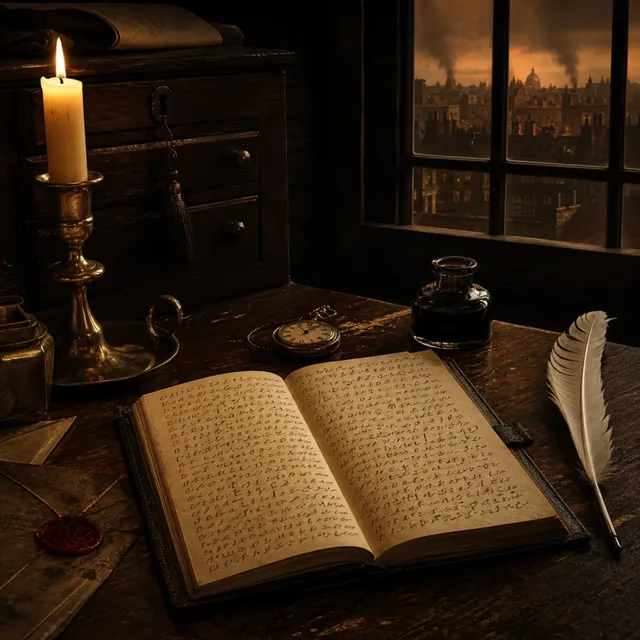
Learn why Samuel Pepys wrote his diary in shorthand, how speed differed from secrecy, and what transcription teaches us about preserving a private record.
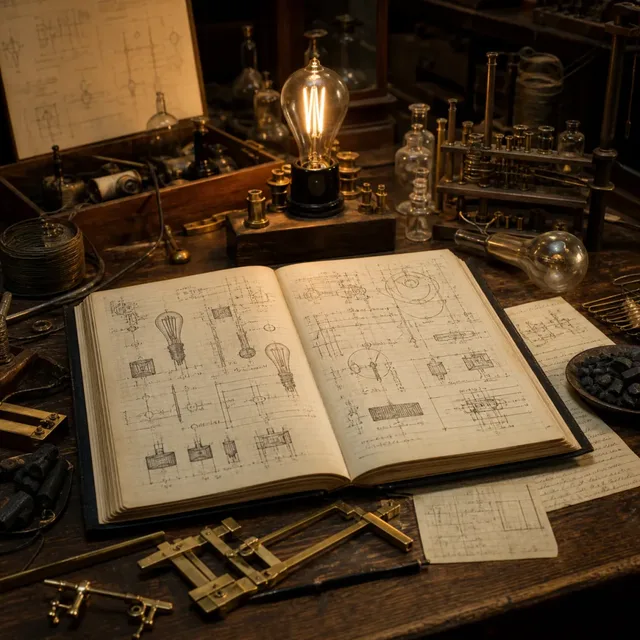
Explore Thomas Edison’s laboratory notebook system, why permanent records replaced loose notes, and how to document experiments without polishing away failure.
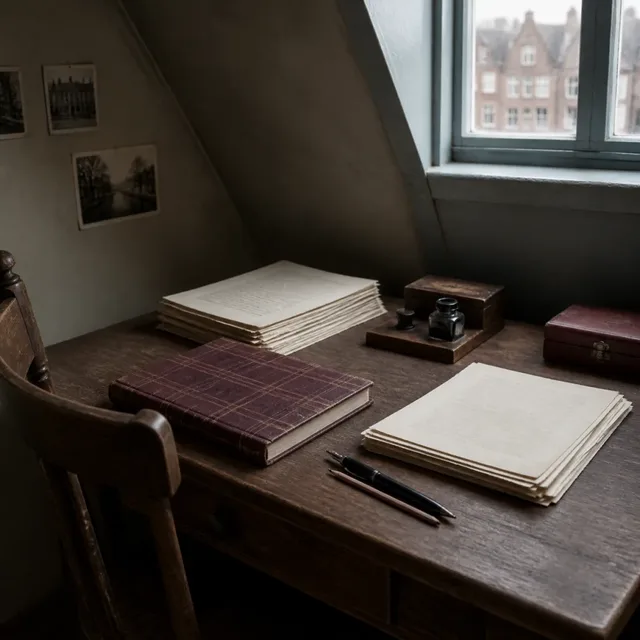
Learn why Anne Frank rewrote her diary for a future book, how her two versions differ, and why her authorship must remain within its Holocaust context.
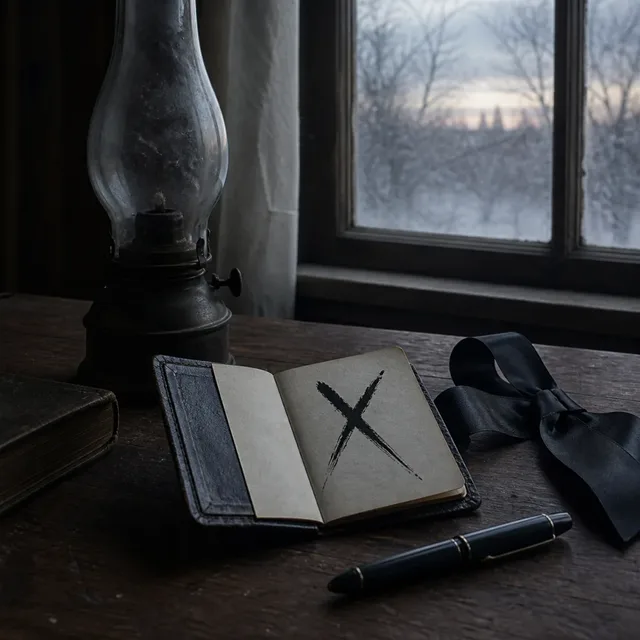
Read Theodore Roosevelt’s stark 1884 diary page of grief and consider why a short, private entry can be complete without explanation, insight, or resolution.
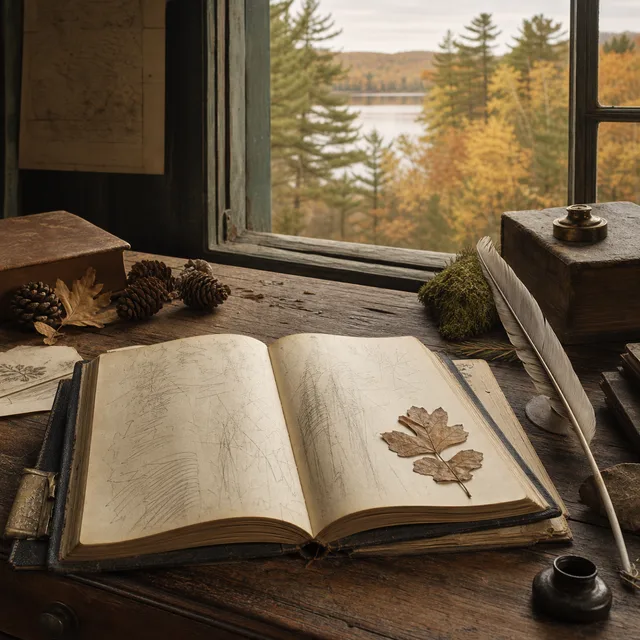
Explore Henry David Thoreau’s 47 journal volumes at the Morgan Library—observation, revision, and natural history—and try a simple practice of listening today.
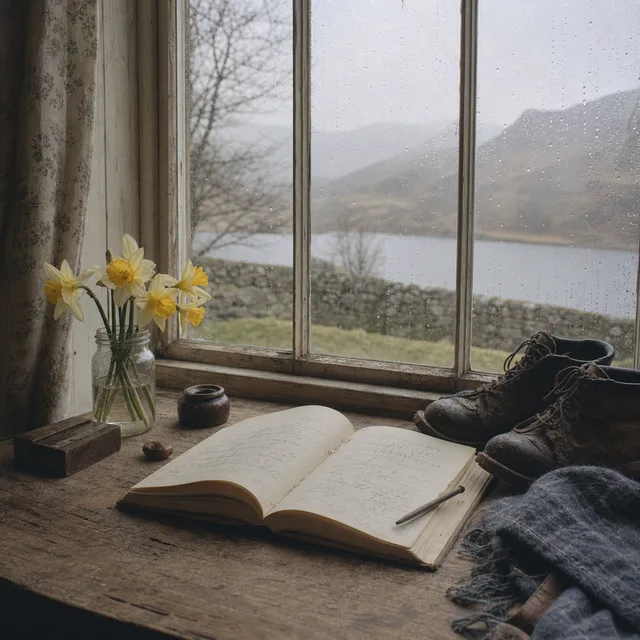
Explore Dorothy Wordsworth’s Grasmere Journal—walks, weather, and ordinary days written for private pleasure—and try a simple scene note from one walk.
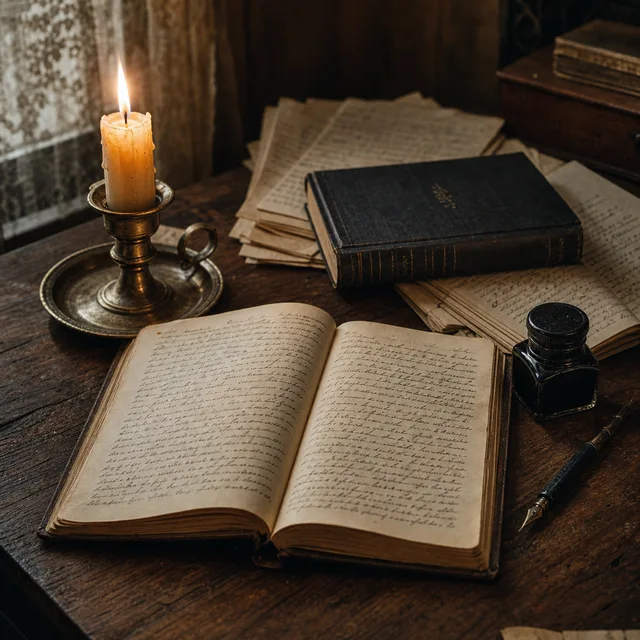
Explore Louisa May Alcott’s writing journals—craft, money, family, and the making of Little Women—and try a four-line record after your next work session.
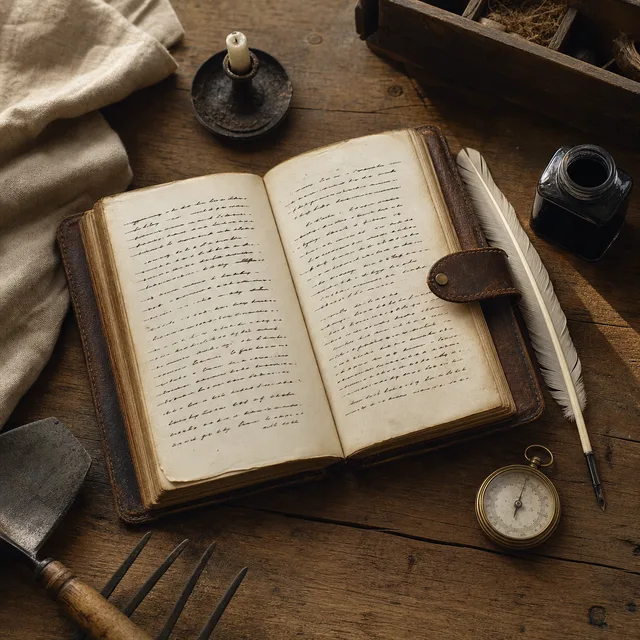
Explore George Washington’s diaries from 1748 to 1799—weather, farming, travel, and brief daily fact—and try a sustainable line-a-day archive of your own.
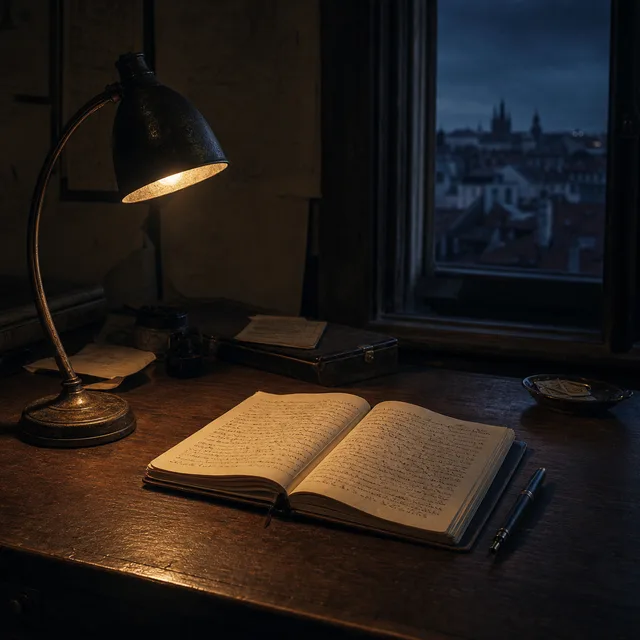
Explore Franz Kafka’s private diaries—unfinished language, literary drafts, and posthumous publication—and try a page that permits an unresolved paragraph.
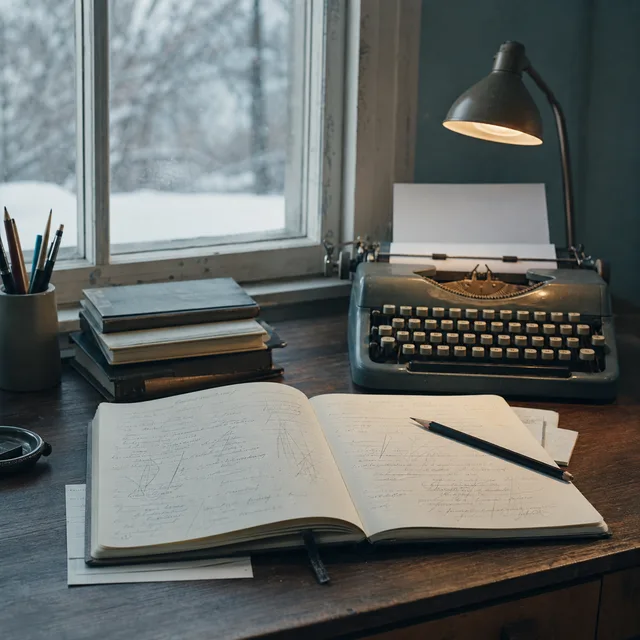
Explore Sylvia Plath’s journals as a writer’s record—drafts, reading, doubt, and revision—and try a private craft page without turning it into public memoir.
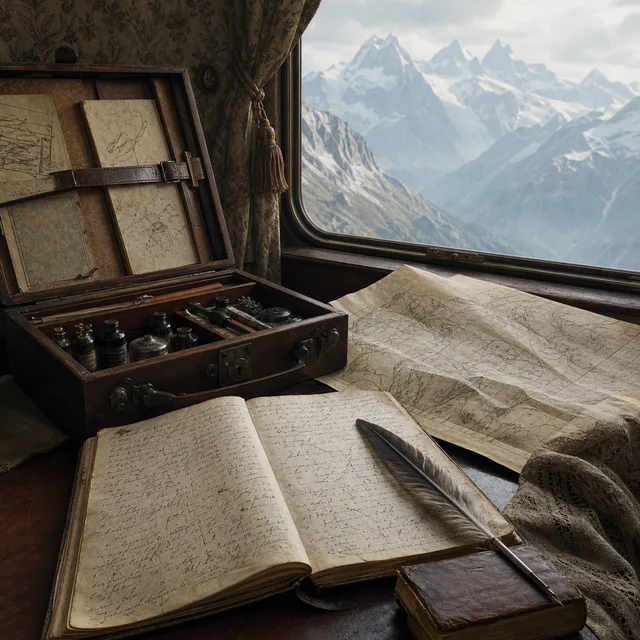
Explore Mary Shelley’s travel journal—routes, reading, grief, and the making of Frankenstein—and try a travel-work spread for one day on the move today.